DIY projects to refresh your living space don't need to involve a contractor, a permit, or a weekend hauled off to Home Depot three times over. In most Atlanta homes, the fastest, cheapest updates are the ones that fix what a room's light and layout are already telling a visitor, rather than starting over with new furniture. The 18 projects below are organized the way a house actually gets seen, from the front door inward, and each one is sized to fit inside a single weekend.
What makes this list different from a generic checklist is that Atlanta's housing stock isn't uniform. A fix that works in a 1920s bungalow in Virginia-Highland can fall flat in a 1960s ranch in Brookhaven, because the two houses were built to handle light, ceiling height, and hardware in completely different ways. The projects below account for that.
Why Atlanta's Housing Stock Changes the DIY Playbook
The right DIY project depends heavily on when and how the house was built, not just on personal taste. Atlanta's close-in neighborhoods carry at least three distinct building eras, and each one comes with its own quirks worth knowing before picking up a paint roller.
Homes in Virginia-Highland, Morningside, and Ansley Park are largely 1910s-1930s bungalows and Tudor cottages, often with plaster walls, 9 to 10-foot ceilings on the main level, and narrow floor plans that run deep front to back. Mature tree canopy on these streets is a selling point for shade in July, but it also means interior rooms lose afternoon light earlier than a newer subdivision would. Plaster walls also show a sheen mismatch more visibly than drywall does, so a touch-up that looks fine in a 1990s build can leave a noticeable patch here.
Mid-century ranches around Brookhaven and Chastain Park tell a different story. Much of the ranch and split-level stock filling in the blocks around Ashford Park and West Brookhaven dates to the postwar building boom of the late 1940s through the 1960s, built with 8-foot ceilings and smaller punched windows compared to what came before or after. That lower ceiling height changes how curtains and lighting fixtures should be scaled, a detail that trips up a lot of first-time DIYers who assume every Atlanta living room has the bungalow's extra foot of height to work with.
Newer construction in Buckhead and parts of Sandy Springs, along with the traditional two-story stock built from the 1980s through the 2000s in Roswell and East Cobb, tends to run brighter and taller from the start, with larger windows and open sightlines between rooms. The projects that matter most there usually aren't about adding light. They're about editing down the clutter and hardware choices that accumulate over a decade or two of ownership.
Local Tip: Before starting any of the 18 projects below, walk through the main level at midday and again after 6 p.m. The rooms that go dark first are the ones worth prioritizing for lighting fixes, and that answer looks different in a shaded Morningside bungalow than it does in a west-facing Sandy Springs great room.
Start With the Entry, Because Every Visitor Reads It First
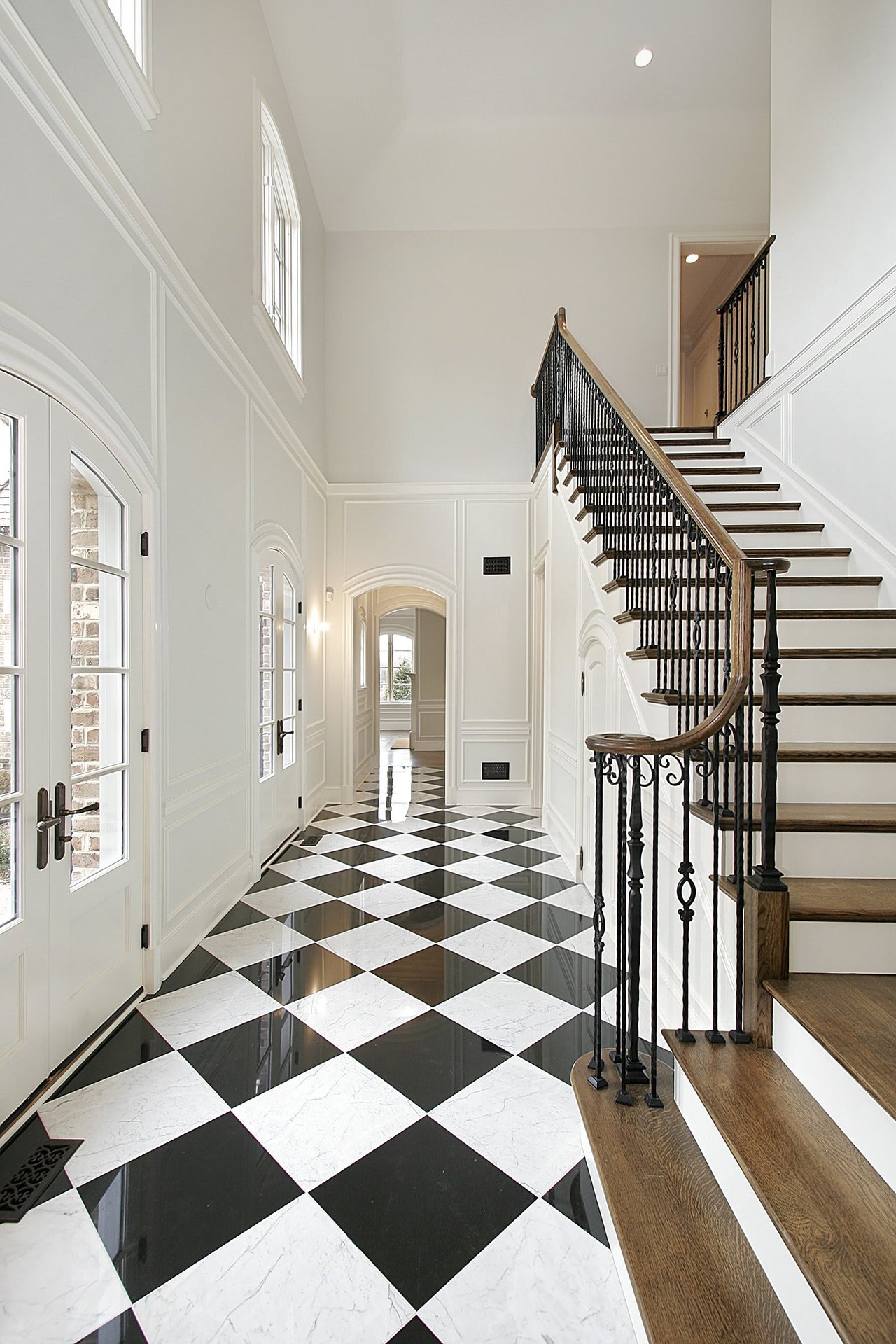
The entry and the sightline just past it set the tone for the whole house, whether it's a guest walking in for dinner or a buyer touring on a Saturday. These three projects take an afternoon combined and cost very little beyond paint and a mirror.
- Touch up scuffed paint at the entry and hallway. On plaster walls common in older Virginia-Highland and Morningside homes, use the same sheen and, ideally, leftover paint from the original can rather than a fresh gallon in the "same" color, since factory formulas can shift slightly between batches.
- Reposition or add a mirror across from the front door or a window. A single well-placed mirror bounces existing daylight deeper into a room, which matters most in the narrower, deep floor plans typical of 1920s bungalows.
- Build a hook-and-basket landing zone by the door. One shallow bench or a row of hooks with a basket underneath keeps shoes and bags from migrating into the living room, which does more for a room's first impression than almost any other five-minute fix.
Fix the Wall Story Before Layering On Anything Else
Walls set the backdrop for everything else in a room, so it's worth getting them right before buying new furniture or art. The goal with all three of these is consistency rather than adding more.
- Add one accent wall in a room that lacks a natural focal point. A dining room or a primary bedroom without a fireplace or built-in bookcase benefits most, and a mid-tone color reads as more intentional than a stark white-to-dark contrast.
- Build a gallery wall using a grid layout instead of a scattered arrangement. A grid with even spacing between frames photographs and shows better in person than a salon-style cluster, particularly on the shorter wall segments common between windows in ranch-era homes.
- Standardize frame finishes across the main living areas. Picking one metal tone, either brass, black, or a warm wood, and applying it to every frame in view from the main sightline removes visual noise without spending much money.
Layer Light the Way Older Atlanta Interiors Need It
Lighting fixes solve more problems per dollar than almost any other category on this list, especially in homes with mature trees or narrow window placement. Each one below addresses either the color of the light or where it falls.
- Swap out yellowed or dated lampshades. Shades made of certain fabrics discolor with UV exposure over years, and a fresh shade in the same silhouette instantly reads as newer without replacing the lamp base underneath.
- Standardize bulb color temperature across every fixture in a room. Mixing warm 2700K bulbs with cooler daylight bulbs in the same space is one of the most common reasons a room feels off without an obvious cause. Sticking to warm white throughout suits the wood tones common in older Atlanta interiors.
- Add a floor lamp to dark corners, particularly in interior rooms facing north or shaded by a deep porch or mature canopy. This is the single highest-impact fix in a shaded Ansley Park or Morningside bungalow, where interior rooms were never designed with today's expectation of bright, even light.
Which Room Should You Tackle First?
The room that gets the most foot traffic and the most natural light loss is usually the right place to start, and in most Atlanta floor plans that's the living room or the main hallway leading into it. Kitchens come a close second if a sale is on the horizon, since buyers judge a home's condition heavily by kitchen hardware and lighting within the first few minutes of a showing. Bedrooms and secondary living spaces can typically wait until the high-traffic rooms are finished.
Main Takeaway: If time only allows for a handful of these 18 projects, prioritize entry paint, one added lamp in the darkest room, and a hardware swap in the kitchen. Those three moves cover the rooms buyers and guests notice first.
Small Hardware Swaps With Outsized Impact
Hardware is one of the cheapest ways to modernize a house that still has its original 1970s or 1990s finishes, and it requires no design training to get right. Homewyse pricing from 2026 puts professionally installed cabinet hardware between roughly $6 and $60 per piece depending on material, while switch plates run in the neighborhood of $19 to $50 per plate installed. Doing the swap as a DIY project cuts that cost down to close to the price of the hardware itself.
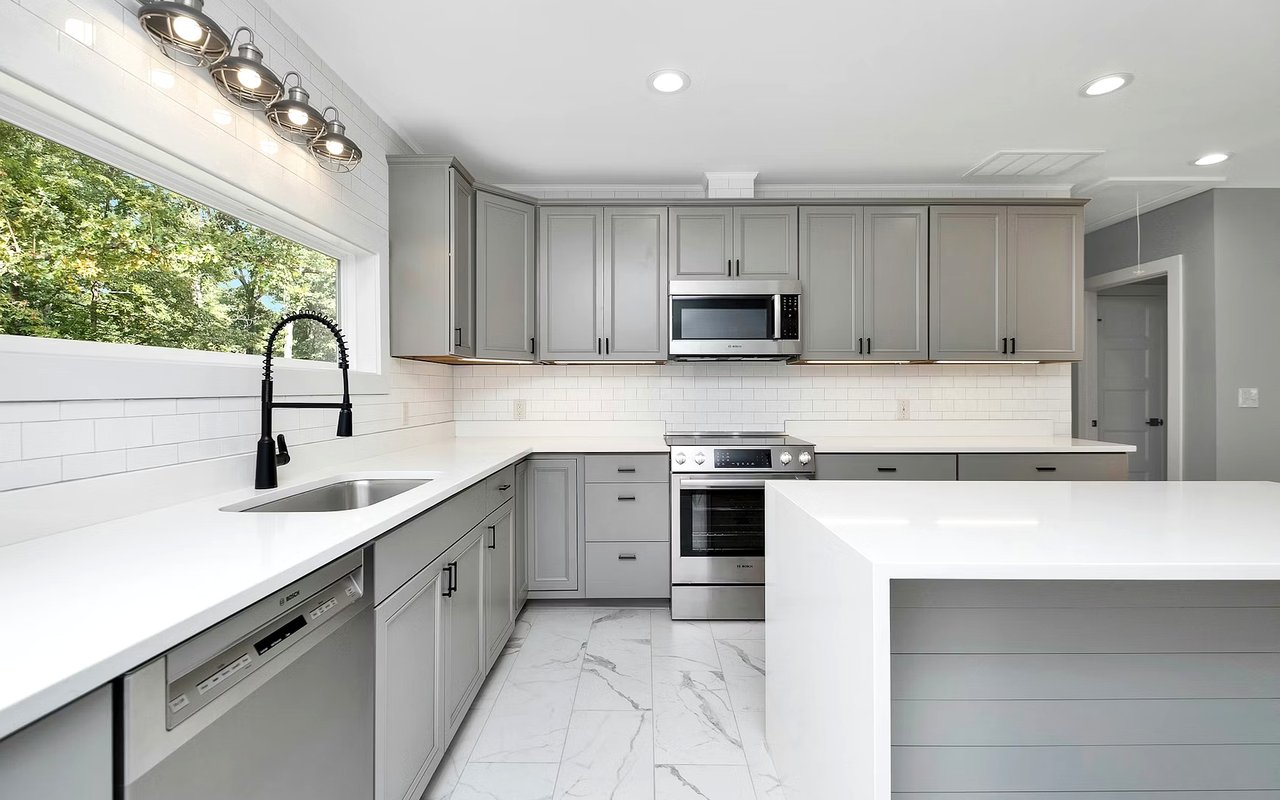
- Replace cabinet pulls and knobs in the kitchen and bathrooms. Many Brookhaven and Chastain Park ranches still carry their original brass or gold-tone hardware from a decades-old kitchen refresh, and swapping to a single updated finish across every cabinet reads as a much bigger renovation than it actually is.
- Swap interior doorknobs and passage sets for a consistent finish. Mismatched brass and nickel knobs from different eras of ownership are common in homes that have changed hands more than once, and unifying them ties the whole main level together.
- Update switch plates and outlet covers throughout the main living areas. Builder-grade plastic plates yellow with age faster than most homeowners expect, and a $2 to $5 plate swap per opening is one of the least expensive projects on this entire list.
Edit What's on the Shelves Before Adding Anything New
Shelving and open surfaces are where clutter accumulates fastest, and editing what's already there usually beats buying new storage. All three moves here are about subtraction more than addition.
- Group books by color, height, or horizontal stacking rather than leaving them a straight, spine-out row. Breaking up the rhythm makes built-in bookcases, common in older Virginia-Highland and Ansley Park homes, look curated instead of cluttered.
- Edit down decorative accessories to fewer, larger pieces per surface. A shelf with a dozen small trinkets reads as busy from across the room; two or three larger objects read as intentional.
- Corral remaining loose items into a tray on open surfaces. A single tray on a console or countertop contains the small stuff, mail, keys, remotes, without it needing its own designated storage solution.
Main Takeaway: Editing existing shelves and surfaces down by roughly a third almost always does more visual work than adding new furniture or decor, and it costs nothing beyond time. Anyone weighing a move soon can carry this same principle into preparing a home for showings.
Textiles Do the Heavy Lifting for the Least Effort
Fabric updates change how a room feels faster than almost anything else on this list, and they're the easiest projects to undo if a choice doesn't work out. They close out the refresh.
- Swap throw pillow covers instead of buying new pillows outright. Covers cost a fraction of full pillows and let a room shift with the season without replacing the pillow forms underneath.
- Add or replace an area rug to define a seating zone. In the narrower living rooms typical of 1920s bungalows, sizing the rug so the front legs of every seating piece rest on it, rather than floating a rug too small in the middle of the room, makes the space read larger than it is.
- Update curtains for better light control and added height. In lower-ceilinged ranch homes around Brookhaven and Sandy Springs, hanging curtain rods close to the ceiling rather than directly above the window frame draws the eye upward and makes an 8-foot ceiling feel taller than it is.
What's Actually Worth Doing Before You List the House
Not every project on this list carries the same return when a sale is the goal. Paint and lighting consistently rank as the highest-return, lowest-cost updates before a listing goes live, with hardware close behind and new furniture trailing both. Anyone unsure whether a bigger renovation makes sense first can start with a free home valuation to see where the house already stands before spending on upgrades. Furniture and layout questions are worth a separate look, and choosing pieces that actually fit the home's proportions matters more once the paint and hardware basics are handled.
These projects also pair naturally with exterior work. A refreshed interior next to a tired front yard sends a mixed signal to anyone pulling up outside, so it's worth a look at curb appeal upgrades once the inside is finished.
Small, well-sequenced projects like these consistently outperform a single expensive renovation when it comes to how a home actually feels to live in day to day. Chase Mizell has walked through hundreds of Atlanta homes across every one of these building eras and can point out which updates will matter most for a specific house, whether the goal is simply enjoying it more or getting it ready for the market. Reach out to talk through a plan that fits the house.