By Chase Mizell
The home office has undergone a remarkable transformation over the past several years. What was once an afterthought tucked into a spare bedroom or a corner of a basement has become one of the most scrutinized spaces in residential real estate.
In my work with buyers and sellers across Sandy Springs, Buckhead, Dunwoody, and the broader Atlanta metro, I can say with confidence that a well-designed home office is no longer a luxury feature. It is an expectation, and in many cases, it is a deciding factor in whether a buyer makes an offer or keeps looking.
Whether you are preparing to list your home and want to maximize its appeal, or you are settling into a new property and building a workspace that genuinely supports how you live and work, the principles of good home office design are worth understanding in depth. I have spent considerable time in homes across metro Atlanta observing what works, what falls flat, and what buyers consistently respond to when they walk through a thoughtfully designed workspace.
Start With Location and Light
The single most important decision you will make about your home office is where it lives within the home. Location determines everything that follows, including acoustics, natural light, privacy, and the psychological separation between work and personal life that most remote professionals find essential to their productivity and wellbeing.
In Sandy Springs and Buckhead homes, I most commonly see successful home offices carved from dedicated studies off the main living area, converted formal dining rooms, finished basement spaces with egress windows, or bonus rooms above garages. Each of these locations has its advantages depending on your household composition and work style.
Natural light deserves its own focused attention. A workspace flooded with morning or midday light dramatically changes the experience of spending hours at a desk. North-facing rooms offer consistent, glare-free light that works particularly well for those who work with screens all day.
East-facing offices benefit from energizing morning light. Whatever the orientation, layering natural light with intentional artificial lighting, including task lighting at the desk, ambient ceiling fixtures, and accent lighting on shelving or architectural details, creates a workspace that feels considered rather than improvised.
In Sandy Springs and Buckhead homes, I most commonly see successful home offices carved from dedicated studies off the main living area, converted formal dining rooms, finished basement spaces with egress windows, or bonus rooms above garages. Each of these locations has its advantages depending on your household composition and work style.
Natural light deserves its own focused attention. A workspace flooded with morning or midday light dramatically changes the experience of spending hours at a desk. North-facing rooms offer consistent, glare-free light that works particularly well for those who work with screens all day.
East-facing offices benefit from energizing morning light. Whatever the orientation, layering natural light with intentional artificial lighting, including task lighting at the desk, ambient ceiling fixtures, and accent lighting on shelving or architectural details, creates a workspace that feels considered rather than improvised.
Invest in the Infrastructure
One of the most common mistakes I see homeowners make when designing a home office is prioritizing aesthetics before infrastructure. A beautiful room with inadequate power, poor internet connectivity, or insufficient climate control will frustrate you every single day regardless of how well it photographs.
Before finalizing your furniture layout or paint color, address the functional backbone of the space. This means dedicated electrical circuits if you run multiple monitors, external drives, and other equipment simultaneously. It means hardwired ethernet rather than relying entirely on WiFi if your work demands consistent, high-speed connectivity.
It means ensuring the HVAC coverage in the room is appropriate for a space that will be occupied for extended periods, particularly in Georgia where summer heat can make a poorly ventilated bonus room genuinely uncomfortable.
Built-in cabinetry and millwork are worth serious consideration at this stage as well. In higher-value Atlanta area homes, built-ins serve a dual purpose: they maximize storage efficiency and they read as a permanent architectural feature rather than a furniture arrangement, which resonates strongly with buyers during showings.
Before finalizing your furniture layout or paint color, address the functional backbone of the space. This means dedicated electrical circuits if you run multiple monitors, external drives, and other equipment simultaneously. It means hardwired ethernet rather than relying entirely on WiFi if your work demands consistent, high-speed connectivity.
It means ensuring the HVAC coverage in the room is appropriate for a space that will be occupied for extended periods, particularly in Georgia where summer heat can make a poorly ventilated bonus room genuinely uncomfortable.
Built-in cabinetry and millwork are worth serious consideration at this stage as well. In higher-value Atlanta area homes, built-ins serve a dual purpose: they maximize storage efficiency and they read as a permanent architectural feature rather than a furniture arrangement, which resonates strongly with buyers during showings.
Furniture That Works as Hard as You Do
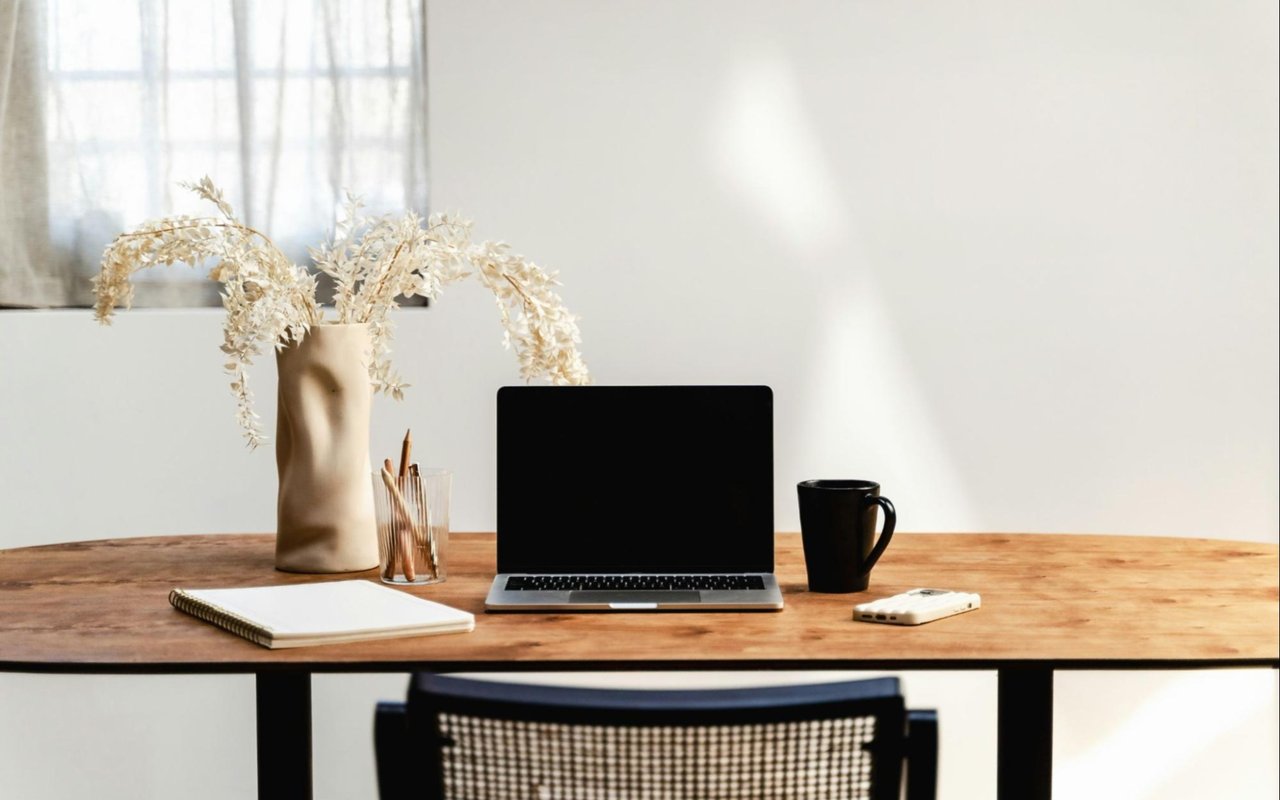
Once your infrastructure is in order, furniture selection becomes the creative heart of the project. The desk is the centerpiece of the room and deserves proportional attention. In larger home offices common to Sandy Springs and Buckhead properties, an oversized writing desk or a custom built-in desk with integrated storage strikes the right balance between function and visual presence.
Ergonomics cannot be an afterthought. A quality chair that supports extended sitting, a desk height that keeps your wrists and shoulders in a neutral position, and a monitor positioned at eye level are the foundations of a workspace that protects your body over years of use. Buyers touring homes notice when a workspace feels set up to actually be used versus one that has been styled for the listing photos alone.
Storage is where many home offices fail. Books, files, equipment, cables, and supplies accumulate quickly, and without a deliberate storage strategy, a workspace descends into visual clutter that undermines both productivity and the impression the room makes during a showing. Closed cabinetry for utilitarian storage, open shelving for curated display, and thoughtful cable management all contribute to a room that holds up under daily use without losing its polish.
Ergonomics cannot be an afterthought. A quality chair that supports extended sitting, a desk height that keeps your wrists and shoulders in a neutral position, and a monitor positioned at eye level are the foundations of a workspace that protects your body over years of use. Buyers touring homes notice when a workspace feels set up to actually be used versus one that has been styled for the listing photos alone.
Storage is where many home offices fail. Books, files, equipment, cables, and supplies accumulate quickly, and without a deliberate storage strategy, a workspace descends into visual clutter that undermines both productivity and the impression the room makes during a showing. Closed cabinetry for utilitarian storage, open shelving for curated display, and thoughtful cable management all contribute to a room that holds up under daily use without losing its polish.
Aesthetic Choices That Elevate the Space
Design coherence matters in a home office more than in almost any other room in the house because buyers and guests spend time in this space noticing its details. The color palette, materials, and styling should feel intentional and connected to the broader design language of the home while also having a distinct identity suited to focused work.
Deep, grounded tones work exceptionally well in home offices. Warm charcoals, forest greens, navy blues, and rich earth tones create an environment that feels serious and purposeful without being oppressive. In Atlanta area homes with strong natural light, these deeper tones are particularly effective because the light keeps the room from feeling heavy.
Material choices carry significant weight. A desk in solid wood or stone, shelving in painted millwork, leather or high-quality fabric seating, and textural accents through rugs and drapery all contribute to a room that reads as genuinely designed rather than assembled. These are the details that distinguish a home office in a property listed at $900,000 from one listed at $1.5 million, and buyers in those price ranges notice the difference immediately.
Art and personal objects deserve thoughtful curation in this room. A home office that feels inhabited by a real professional life, with books, meaningful objects, and artwork that reflects genuine taste, photographs beautifully and creates an emotional response in buyers that a sterile, generic space simply cannot replicate.
Deep, grounded tones work exceptionally well in home offices. Warm charcoals, forest greens, navy blues, and rich earth tones create an environment that feels serious and purposeful without being oppressive. In Atlanta area homes with strong natural light, these deeper tones are particularly effective because the light keeps the room from feeling heavy.
Material choices carry significant weight. A desk in solid wood or stone, shelving in painted millwork, leather or high-quality fabric seating, and textural accents through rugs and drapery all contribute to a room that reads as genuinely designed rather than assembled. These are the details that distinguish a home office in a property listed at $900,000 from one listed at $1.5 million, and buyers in those price ranges notice the difference immediately.
Art and personal objects deserve thoughtful curation in this room. A home office that feels inhabited by a real professional life, with books, meaningful objects, and artwork that reflects genuine taste, photographs beautifully and creates an emotional response in buyers that a sterile, generic space simply cannot replicate.
Acoustic Considerations for the Modern Workspace
Privacy and sound control have become increasingly important to buyers with home offices, particularly in households where multiple people are working or attending school from home simultaneously. Hard surfaces, high ceilings, and open floor plans common in contemporary Atlanta area construction can create acoustic challenges that affect both the experience of working in the space and the quality of video calls and virtual meetings.
Rugs, drapery, upholstered furniture, and acoustic panels integrated into the design all help manage sound in a way that feels finished rather than corrective. In dedicated home office buildouts, some homeowners invest in solid-core doors and additional insulation in the surrounding walls, both of which add meaningful acoustic separation and are features that discerning buyers recognize and appreciate.
Rugs, drapery, upholstered furniture, and acoustic panels integrated into the design all help manage sound in a way that feels finished rather than corrective. In dedicated home office buildouts, some homeowners invest in solid-core doors and additional insulation in the surrounding walls, both of which add meaningful acoustic separation and are features that discerning buyers recognize and appreciate.
Frequently Asked Questions About Home Office Design and Real Estate Value
Does a home office add value when selling in the Atlanta market?
Yes, in a meaningful way. Buyers across Sandy Springs, Buckhead, and Dunwoody consistently rank dedicated workspace among their top priorities. A well-designed home office can accelerate the sale timeline and support a stronger asking price, particularly in the mid-to-upper price ranges where remote work is prevalent among buyers.
How much should I budget for a home office renovation before selling?
It depends heavily on the current condition of the space and your price point. For most Atlanta area homes in the $700,000 to $1.5 million range, a focused investment of $10,000 to $30,000 in built-ins, lighting, flooring, and finishes can yield a strong return in both perceived value and buyer interest.
Can I convert a formal dining room into a home office before listing?
This is a very common and often effective move in today's market. Formal dining rooms are used infrequently by most modern households, and repositioning that square footage as a functional office space often resonates better with buyers. I walk my seller clients through this type of decision individually based on their specific home and target buyer profile.
What features do buyers look for most in a home office?
Natural light, a closable door for privacy, dedicated electrical capacity, built-in storage, and a layout that accommodates a full desk setup are consistently the most requested features. Aesthetic quality matters significantly in higher price ranges.
Should I stage the home office when listing my home?
Absolutely. A staged home office tells a story about how the space can be used and makes it easier for buyers to visualize themselves working there. Professional staging in this room is one of the highest-return investments a seller can make before going to market.
Whether you are designing a workspace that transforms how you live in your current home or preparing a property for a successful sale across the Atlanta metro, the details of a home office matter more today than ever before. I am here to help you think through every decision with clarity and market expertise. Reach out and start the conversation at chasemizell.com.
Whether you are designing a workspace that transforms how you live in your current home or preparing a property for a successful sale across the Atlanta metro, the details of a home office matter more today than ever before. I am here to help you think through every decision with clarity and market expertise. Reach out and start the conversation at chasemizell.com.