Furniture tips for Buckhead homes that balance scale, style, and livability
Choosing furniture that fits a Buckhead home starts with matching scale to the house itself, not to whatever looks good on a showroom floor. Buckhead's housing stock runs from 1920s Craftsman bungalows with modest, boxy rooms to 8,000-square-foot estates along West Paces Ferry Road with two-story great rooms, and a sofa or dining table that reads correctly in one setting will look wrong in the other. Getting the proportions right protects the character a home was built around, whether the goal is comfortable daily living or a market-ready listing photo.
Why Scale Is the First Problem to Solve
Under-scaling is the single most common furniture mistake in Buckhead's larger homes. A living room with 11-foot ceilings and generous square footage can swallow a standard-issue sectional and a pair of accent chairs, leaving the room feeling sparse and the furniture feeling like an afterthought. This happens constantly in homes purchased from builders who staged them with rental furniture sized for photographs, not for daily life.
The fix isn't buying more furniture. It's buying the right amount of correctly sized furniture and arranging it in deliberate zones, rather than pushing everything against the walls.
Measure Before Buying, Not After
Every room needs real measurements before a single piece gets ordered: wall lengths, doorway widths, ceiling height, and the distance between architectural features like fireplaces and windows. Buckhead's older homes, particularly the Craftsman bungalows in Garden Hills and the English and Colonial Revival cottages of the Buckhead Forest historic district, often have narrower door and stair openings than newer construction, which matters when a nine-foot sectional needs to get from the truck to the family room.
- Measure the room's full footprint, not just where furniture will sit
- Measure every doorway, hallway turn, and stairwell the piece has to pass through
- Note ceiling height, since it affects how tall case pieces and lighting should be
- Map out furniture zones for larger rooms (a seating area, a reading nook, a bar or game table) rather than one oversized furniture group floating in the middle
Local Tip: In two-story great rooms common to newer Buckhead and Chastain Park construction, a single furniture grouping almost never fills the space convincingly. Two smaller, well-defined zones, such as a conversation seating area near the fireplace and a separate game or reading corner, read as intentional rather than sparse.
Ceiling Height and Room Proportion Change by Era
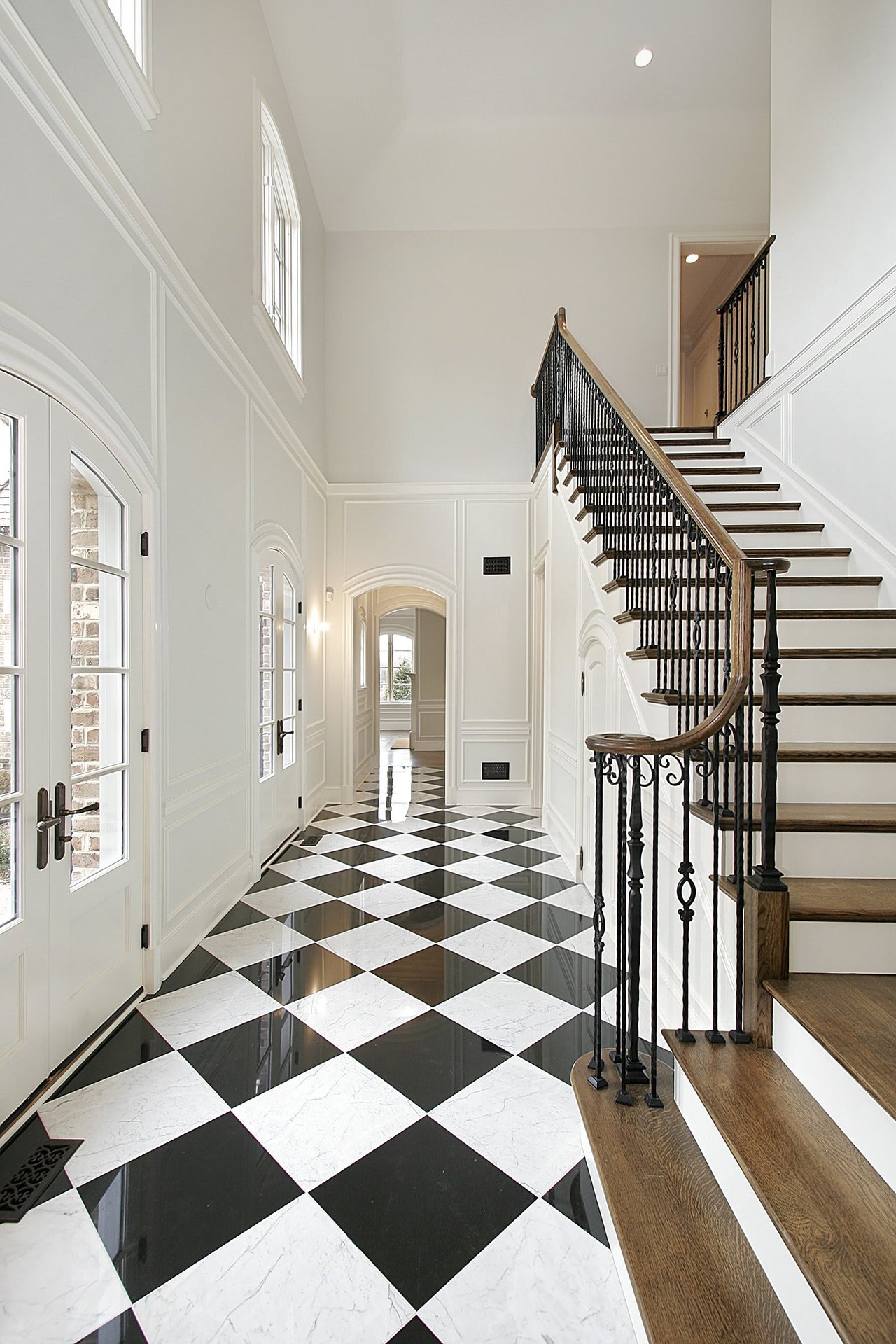
Buckhead's ceiling heights vary enough by construction era that the same sofa can feel correctly scaled in one home and undersized in another just a few streets away. Homes built in Garden Hills and Buckhead Forest between the 1920s and 1940s typically carry 8- to 9-foot main-floor ceilings, in keeping with the bungalow and cottage proportions of that period. Estates built or extensively renovated in the last two decades along the West Paces Ferry corridor and around Chastain Park frequently run 10 to 12 feet on the main level, with 9-foot ceilings upstairs.
Home Era / Type | Typical Main-Floor Ceiling Height | Furniture Scale Guidance |
|---|---|---|
1920s-1940s Craftsman bungalow or cottage (Garden Hills, Buckhead Forest) | 8 to 9 feet | Lower-profile sofas and case goods; oversized pieces overwhelm the room |
1950s-1960s ranch and mid-century modern | 8 to 9 feet | Low-slung, clean-lined furniture suits the era and the ceiling line |
2000s-present renovated or new construction estate (West Paces Ferry, Chastain Park) | 10 to 12 feet main level, 9 feet upstairs | Taller case pieces, larger-scale seating, and substantial lighting to fill the vertical space |
A rule worth remembering: as ceiling height increases, furniture and art need to grow with it, or the room's proportions will feel unresolved no matter how nice the individual pieces are.
Rugs Sized to the Room
Undersized rugs are almost as common a mistake as undersized furniture, and they're an easy fix. In a formal living room, the rug should be large enough that at least the front two legs of every seating piece rest on it. In a dining room, it needs to extend roughly 24 to 30 inches beyond the table's edge on all sides, so chairs stay on the rug even when pulled out for a dinner party.
Matching Furniture to Buckhead's Architecture
Furniture style should follow the house, not a trend cycle. Buckhead's neighborhoods hold a genuine range of architecture, and what looks right in a 1930s Colonial Revival on West Wesley Road will feel out of place in a 2015 modern build near Chastain Park.
Furnishing a Craftsman Bungalow or Colonial Revival
Older Buckhead homes, including the bungalows, English cottages, and Georgian and Colonial Revival houses found throughout Garden Hills and the Buckhead Forest historic district, tend to reward furniture with some traditional bones: rolled-arm sofas, wood furniture with visible grain, and upholstery in warmer, less stark tones. That doesn't mean everything has to be formal or dated. A traditional-leaning sofa paired with a more streamlined coffee table and current-generation lighting keeps the room from feeling like a period piece while still respecting the house's original detailing (heart pine floors, coved ceilings, and original moldings in particular).
For homeowners drawn to a broader range of period-appropriate and updated looks for these older homes, Chase Mizell's guide to interior design styles for Buckhead homes breaks down several approaches in more depth.
Furnishing Modern-Transitional New Construction
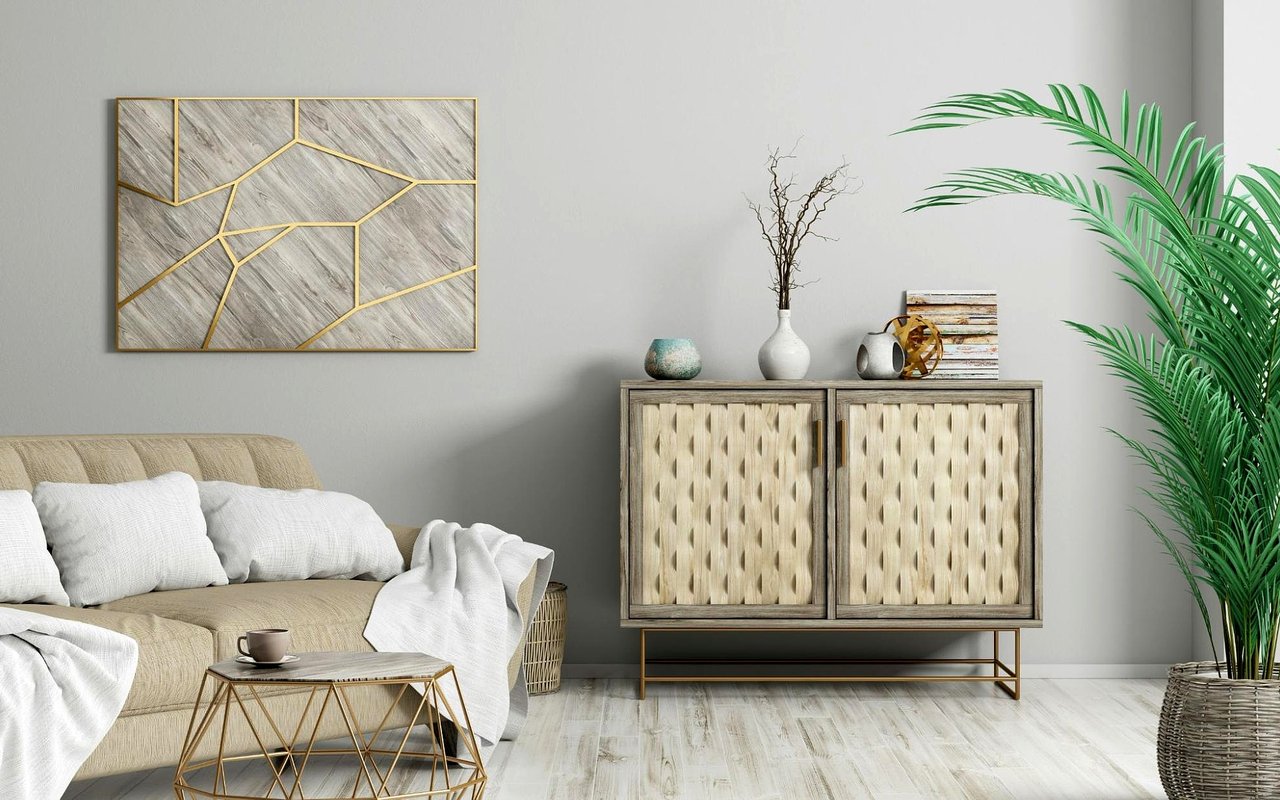
Newer construction and heavily renovated homes near West Paces Ferry Road and Chastain Park tend to lean modern-transitional: open floor plans, taller ceilings, larger window walls, and fewer architectural details to work around. These homes generally handle furniture with cleaner lines and a more restrained palette better than heavily ornamented traditional pieces, which can look busy against simple millwork and expansive glass.
Main Takeaway: Older Buckhead homes generally reward furniture with more traditional detailing and warmth, while newer construction along West Paces Ferry and Chastain Park handles cleaner-lined, modern-transitional pieces better. The goal in either case is coherence with the architecture already in place, not a strict style rulebook.
Where to Invest and Where to Save
Furniture budgets go further when they're concentrated in the rooms that get the most use and the most attention, rather than spread evenly across every space in the house.
Put the Budget Into Rooms People Actually See
The primary living area, the primary suite, and the dining room typically justify the highest per-piece investment, since they're used daily and seen by nearly every guest. A well-built sofa with a hardwood frame and quality cushion construction can be reupholstered for decades, while a budget sectional often needs full replacement within five to seven years. Guest rooms, secondary bedrooms, and home offices are reasonable places to save, since fewer people spend time in them and the furniture sees lighter daily use.
Performance Fabrics Earn Their Higher Price
Performance fabrics, the stain-resistant, tightly woven textiles originally developed for outdoor and commercial use, have become standard in higher-end residential upholstery for good reason. They cost more upfront than a comparable cotton or linen blend, but they hold up to daily family use far better, which matters most in the rooms actually lived in rather than a formal room reserved for holidays.
Is It Worth Hiring an Interior Designer for a Buckhead Home?
For a full-house furniture plan, yes, a designer is usually worth the fee, particularly in homes with unusual proportions, custom millwork, or an open floor plan that needs multiple furniture zones to feel resolved. Atlanta's design trade is concentrated at the Atlanta Decorative Arts Center in Peachtree Hills, just south of Buckhead, where to-the-trade showrooms carry lines that aren't available directly to the public. Many local designers also make twice-yearly trips to High Point Market in North Carolina for custom and semi-custom orders, so a full furniture plan for a larger home is often better started four to six months before it needs to be finished, not four to six weeks.
Homeowners furnishing a single room or working with a smaller budget can generally do it themselves with careful measuring and a clear sense of the home's architectural style. The larger the home and the more rooms involved, the more a designer's ability to source and coordinate across multiple showrooms starts to pay for itself.
Furniture, Moving, and Resale Value
What to Do With Furniture That No Longer Fits
Furniture that doesn't scale to a new home, or simply doesn't match its architecture, doesn't have to go to a landfill. Consignment shops throughout Buckhead and Sandy Springs take quality traditional and transitional pieces, and several local nonprofits will pick up gently used furniture directly from the house, which is often the fastest option during a move. For homeowners preparing to sell rather than move furniture into a new place, working through what stays and what goes is worth doing early, and Chase Mizell's seller's guide covers the broader prep timeline this fits into. Chase Mizell's list of simple DIY projects to refresh a living space covers smaller updates that pair well with a furniture edit before listing photos get taken.
Does Furniture Actually Affect a Home's Sale Price?
Furniture itself doesn't transfer with the sale in most Buckhead transactions, but how a home is furnished during showings has a real effect on how quickly buyers connect with the space and what they're willing to offer. Oversized or undersized pieces make rooms photograph poorly and can make buyers underestimate a room's actual square footage, which is one of the more avoidable mistakes sellers make. Getting scale and proportion right before listing photos are taken is a small effort that tends to pay for itself in showing traffic.
Buyers moving into Buckhead face the reverse challenge: furnishing a home whose proportions may be unlike anything they've owned before. Chase Mizell's guide to buying a home in Buckhead is a useful starting point for understanding what the neighborhood's housing stock actually looks like room by room, before the furniture shopping even begins.
Furnishing a Buckhead home well comes down to respecting the proportions the house was built with, whether that's an 8-foot bungalow ceiling in Garden Hills or a 12-foot great room off West Paces Ferry Road. Chase Mizell works with Buckhead buyers and sellers on exactly this kind of detail, from understanding a home's original architecture to knowing which rooms matter most when it's time to sell. Reach out to talk through a specific property or a move already in progress.