A well-run open house in Buckhead can still turn a single Sunday afternoon into multiple offers, even in a market where luxury inventory is sitting longer than it did two years ago. Above $3 million, Buckhead is carrying roughly 11.4 months of supply, up 16% from a year earlier, which means sellers are competing against a deeper bench of listings for the same pool of serious buyers. The homes that stand out are the ones where every detail of that first visit, from the curb to the closing conversation, was planned rather than left to chance.
That gap between an open house that generates a contract and one that generates foot traffic and nothing else comes down to preparation. The sections below walk through what actually moves buyers from curious to committed, drawing on current Buckhead sales data and three decades of watching what works on Northside Drive, in Tuxedo Park, and around Peachtree Heights.
Do Open Houses Still Work in Buckhead's Luxury Market?
Yes, but not in the way most sellers assume. Only about 3% of buyers say an open house is where they found the home they ultimately bought, since roughly half of all buyers now start their search online before ever stepping inside a property. Open houses do something different: they compress a home's competition into one afternoon and create the social proof that pushes a hesitant buyer toward an offer.
Redfin's national data backs this up. Homes that hold an open house sell for about $9,000 more on average and spend roughly a week less on the market than comparable homes that skip one entirely. In Austin, homes shown during their debut week sold above asking price 30% of the time, compared to just 6% for homes opened later in the listing cycle. Timing the open house to the first weekend a home hits the market, rather than treating it as a fallback three weeks in, makes a measurable difference.
Local Tip: In the first half of 2026, one in five Buckhead homes sold without ever touching the MLS, and four of the ten highest-priced sales in the neighborhood closed off-market. For sellers who want maximum exposure rather than a quiet, private sale, that makes a well-timed open house even more valuable. It is one of the few remaining ways to generate broad buyer interest fast in a market where so much activity happens behind closed doors. Sellers weighing that tradeoff can read more about the private, exclusive listing option before deciding which route fits their situation.
Curb Appeal Sets the Tone Before Anyone Rings the Doorbell
Buyers form an opinion of a home before they reach the front steps, and in Buckhead's older streets, that first thirty seconds carries more weight than in newer subdivisions where every house looks freshly built. A century-old oak canopy or an overgrown boxwood hedge on a Tuxedo Park lot reads very differently depending on whether it looks tended or neglected. Fresh mulch, a pressure-washed driveway, and a repainted front door do more for a listing's first impression than almost any interior upgrade.
Buyers touring North Buckhead and Peachtree Heights on a Sunday afternoon are often comparing four or five homes back to back, and the ones with forgettable exteriors get mentally crossed off before the agent finishes unlocking the door. A full breakdown of which exterior projects actually move the needle on sale price lives in how landscaping and curb appeal impact sale price in Buckhead, which pairs well with the staging advice below.
Quick Curb Appeal Wins Before a Buckhead Open House
- Edge the lawn and refresh pine straw or mulch beds two to three days before the open, not the morning of
- Power-wash the driveway, front walk, and any brick or stone facade that has collected pollen film
- Replace porch light bulbs and check that the address is clearly visible from the street
- Add a seasonal wreath or potted arrangement at the front door, kept simple rather than overdone
Staging for Space, Light, and Flow
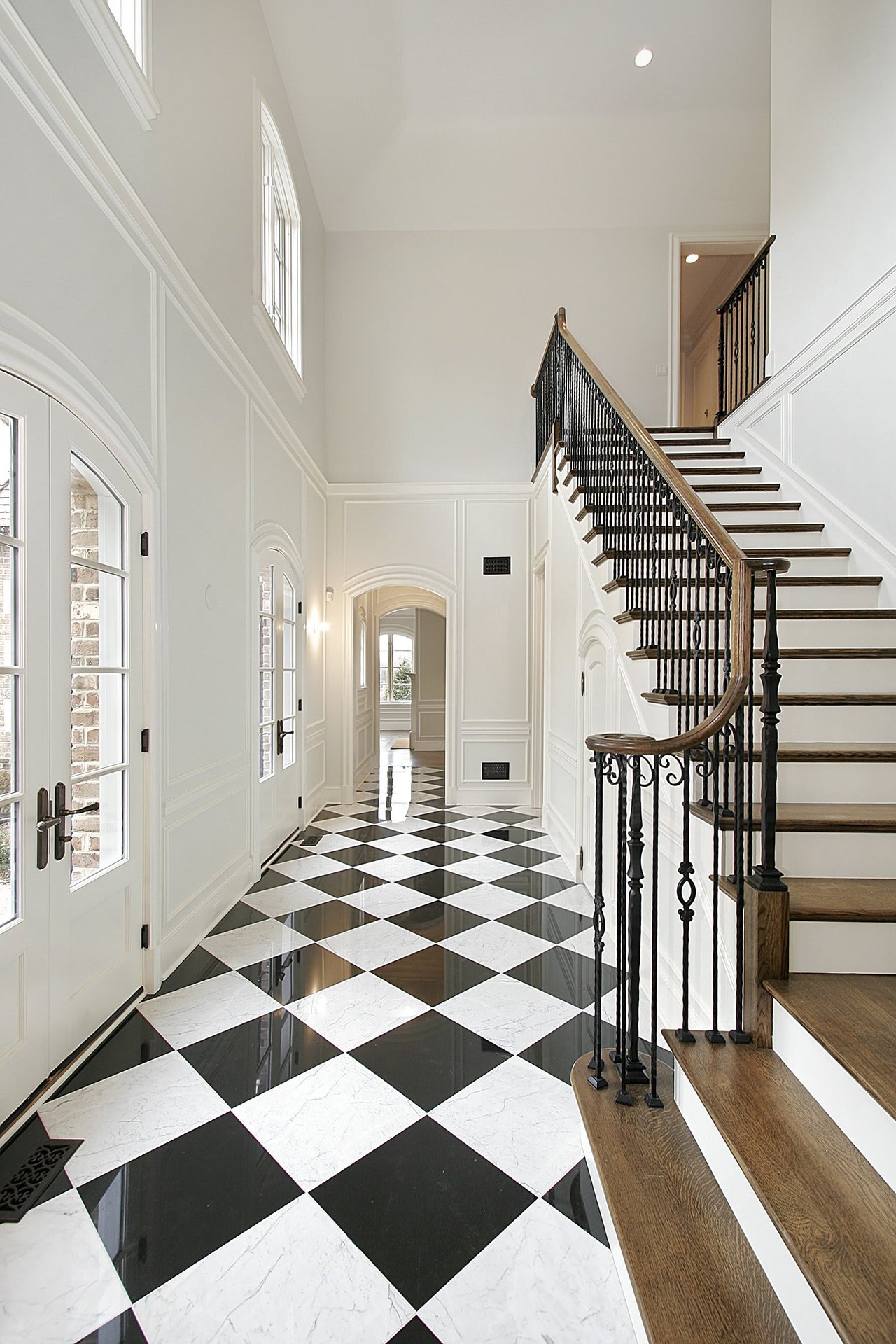
A staged home should feel larger, brighter, and easier to move through than a lived-in one, and that starts with clearing out anything that interrupts a buyer's sightline from room to room. Buyers touring a $2 million-plus home in Chastain Park or Ansley Park are picturing their own furniture in the space, and a room crowded with personal photos, oversized furniture, or extra pieces makes that harder to do. Removing roughly a third of the furniture in most rooms typically opens up the flow without leaving anything feeling empty.
Closets, garages, and kitchen counters deserve the same treatment as the living areas. Buyers open cabinets and closet doors during an open house far more often than sellers expect, and a packed pantry or a garage full of storage bins undercuts the sense of space the rest of the home is trying to create. For a room-by-room approach to getting a home tour-ready, staging a Sandy Springs home for a standout tour covers the process in more depth.
What Buyers Notice in the First Ninety Seconds
Buyers scan a home quickly on entry, and what registers first shapes how they judge everything after it.
What Buyers Notice First | Why It Matters |
|---|---|
Sightline from the front door through the main living space | Sets the impression of how open or cramped the home feels |
Natural light in the entry and kitchen | Directly tied to how buyers rate a home's condition and value |
Floor and countertop surfaces underfoot | Buyers register wear and dated finishes almost immediately |
Smell (pets, cooking, mustiness) | One of the fastest ways to lose a buyer's interest entirely |
Setting the Scene: Light, Sound, and Temperature During the Showing
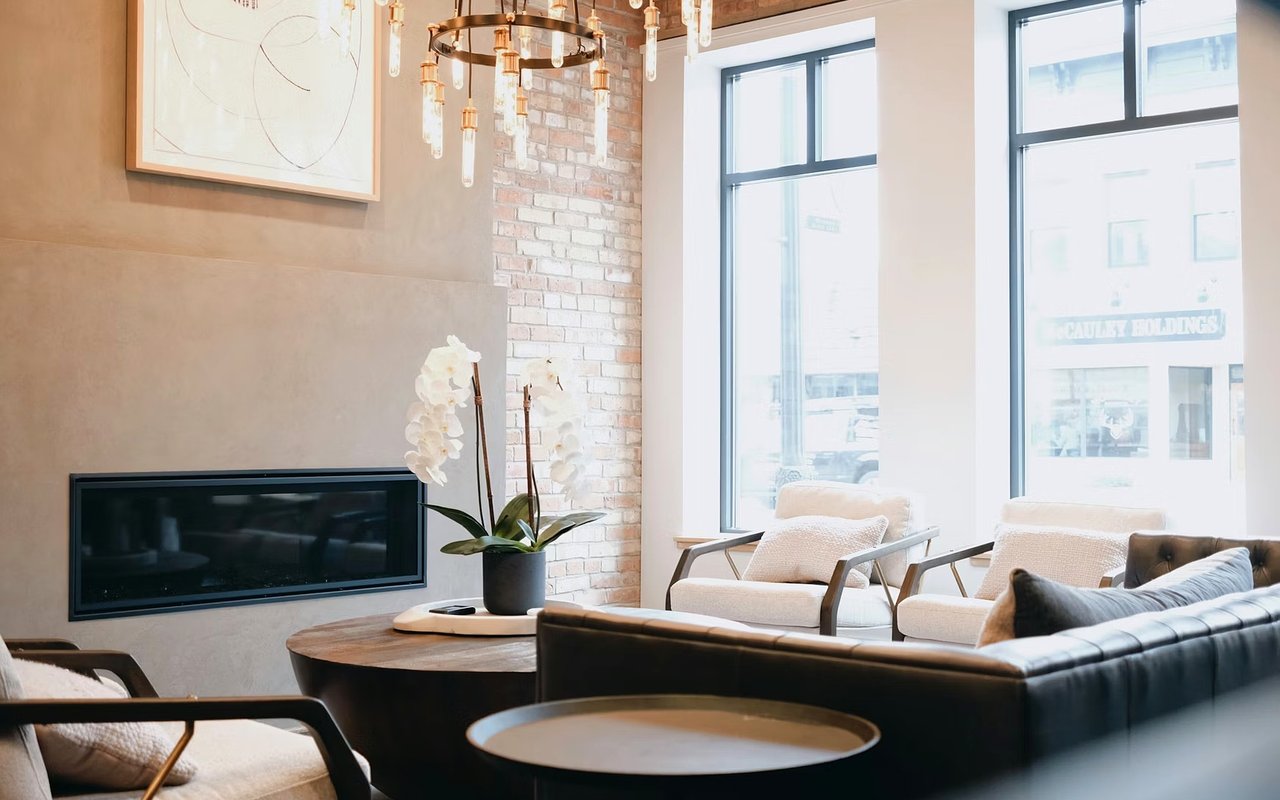
Every lamp and overhead fixture in the home should be on before the first buyer arrives, including closet lights and any accent lighting on built-ins or over artwork. Natural light matters just as much, so blinds and curtains should be fully open even on a gray Atlanta afternoon. A home that feels dim reads as smaller and older than it actually is, regardless of square footage.
Sound should stay in the background rather than call attention to itself. Low instrumental music is enough; anything with lyrics or a strong beat competes with the conversations buyers are having with each other about the home. Temperature matters too, particularly in Georgia's shoulder seasons, since a home that feels stuffy or over-air-conditioned makes buyers want to leave sooner rather than linger.
Main Takeaway: The goal during the showing itself is to remove every small friction point, a dim room, an odd smell, a loud television, so nothing distracts from the buyer's experience of the home.
Sell the Lifestyle, Not Just the Square Footage
Buyers touring Buckhead and the surrounding neighborhoods are buying into a way of living, and the listing should reflect that rather than reading like a spec sheet. A house near the Chastain Park trails and tennis center should have that proximity mentioned in conversation, not just listed as a bullet point. A kitchen built for entertaining matters more to a buyer who pictures hosting a dinner party there than one who only cares about the appliance brand.
Framing a home around how someone would actually live in it, morning coffee on an east-facing porch, weekend walks to the farmers market, an easy drive to Chastain Park's summer concert series, gives buyers a reason to picture themselves staying long after the open house ends. That emotional pull is often what separates an offer from a polite compliment on the way out the door. The full neighborhood guide to Buckhead real estate is a useful reference for agents building out that lifestyle story block by block.
Timing an Open House Around Buckhead's Calendar
Sunday afternoons between 1:00 and 4:00 p.m. remain the standard window across metro Atlanta, and Buckhead is no exception. Scheduling around the neighborhood's own calendar matters more here than in most parts of the city, though, because a few local events can quietly wreck attendance or clog every approach road to a listing.
Chastain Park's amphitheater runs a full concert season from late spring through Labor Day, and an open house scheduled too close to showtime on a listing near West Wesley Road or Powers Ferry can get buried under concert traffic and parking overflow. Sunday services at the churches along Peachtree Road also create a predictable traffic wave through late morning, which is one reason the early afternoon slot works better than a 12:00 p.m. start in that part of Buckhead.
Best and Worst Windows for a Buckhead Open House
Timing | Verdict | Why |
|---|---|---|
First weekend after listing goes live | Best | Captures maximum buyer attention and matches the data on above-asking sales |
Sunday, 1:00–4:00 p.m. | Best | Standard window buyers expect; avoids church and concert traffic peaks |
Holiday weekends | Worst | Buyers are traveling or hosting, attendance drops sharply |
Chastain Park concert evenings, if nearby | Worst | Traffic and parking congestion overwhelm the immediate streets |
Late in a long listing period | Weak | Signals staleness rather than urgency to buyers touring the market |
Should Every Buckhead Home Have an Open House?
Not always, and that decision usually comes down to price point, privacy needs, and how the seller wants the home marketed. A well-priced home under roughly $2 million in Morningside or Virginia-Highland almost always benefits from a public open house, since it draws in buyers who are actively comparing several homes in that range over one weekend. A $6 million estate in Tuxedo Park is a different conversation entirely.
At the very top of the market, some sellers prefer targeted, invitation-only showings over a public open house, both for security and because the buyer pool is smaller and more easily reached directly through an agent's own network. That preference is part of why nearly two out of five of Buckhead's highest-priced sales in the first half of 2026 never appeared on the open market at all. Sellers weighing that decision should talk it through directly rather than defaulting to one approach, and the seller's guide is a good starting point for thinking through the tradeoffs before listing.
Anticipating the Questions Every Serious Buyer Asks
Buyers who are seriously considering an offer ask specific, practical questions, and having clear answers ready avoids awkward pauses that can quietly stall momentum. Vague answers, or worse, no answer at all, read as a red flag even when nothing is actually wrong with the home.
Question Buyers Ask | What to Have Ready |
|---|---|
How old is the roof and HVAC system? | Install dates, most recent service records, and any remaining warranty |
What renovations have been done, and when? | A simple timeline with permits pulled, if applicable |
Are there HOA fees or restrictions? | Current dues, rules, and any pending special assessments |
What are average utility costs? | Recent monthly bills or a seasonal average, especially for older homes |
Why is the seller moving? | A brief, honest answer; buyers read hesitation here closely |
Having this information printed or available on a tablet at the open house, rather than promising to follow up later, keeps buyers engaged in the moment instead of losing interest while they wait for an answer.
What Happens the Monday After: Following Up Without Pressure
The days immediately following an open house matter almost as much as the event itself. A short, specific follow-up, referencing something the buyer actually said during the tour, works far better than a generic "just checking in" message that could apply to anyone who walked through the door.
Whether an open house produces multiple offers depends heavily on turnout and pricing rather than the event alone. A home priced accurately for its condition and neighborhood that draws a strong Sunday crowd has a real shot at competing offers within days, particularly if several serious buyers were touring the same afternoon. A home that draws light traffic is unlikely to see that kind of competition regardless of how polished the showing was. Sellers navigating that stage, and the decisions that come with more than one offer on the table, can find a practical framework in how to choose the right offer when selling your home.
Local Tip: Buyers browsing Buckhead homes for sale or the broader home search often tour several open houses in one weekend across Chastain Park, Sandy Springs, and Brookhaven. A thoughtful, unhurried follow-up call two days later, once the initial afternoon's impressions have settled, tends to land better than an email sent that same evening.
Working With a Broker Who Treats Every Open House Like His Own Listing
Preparing a Buckhead home for its open house debut, from the curb to the closet doors to the follow-up call, takes the kind of attention that comes from having done it hundreds of times across every price point in this market. Chase Mizell has spent three decades helping Buckhead sellers get that first showing right, and he treats every open house with the same care whether the listing is a Morningside bungalow or a Tuxedo Park estate. Sellers weighing whether an open house, a private showing, or some combination of the two makes sense for their home are welcome to reach out through his contact page to talk through the plan.