Updated September 2026
Landscaping and curb appeal shape a Buckhead home's sale price before a single buyer walks through the front door. In a market where the median lot carries mature hardwood canopy, a circular drive, and a price tag well into seven figures, an unkempt lawn or an overgrown foundation bed reads as deferred maintenance on everything else. Buyers and their agents form a price opinion from the curb, often from a car window during a drive-by before an appointment is even scheduled. Getting the yard right first is one of the few pre-listing investments in Buckhead that consistently pays for itself.
Why Curb Appeal Carries More Weight in Buckhead's Market
Buckhead's housing stock leans toward larger lots than most in-town Atlanta neighborhoods, which means there's simply more exterior for a buyer to evaluate before reaching the door. A half-acre lot in Chastain Park or a wooded corner lot near Peachtree Battle shows far more lawn, bed space, and tree canopy than a townhome in Midtown, so any neglect is proportionally more visible.
Price point raises the stakes further. On a home listed at $2 million or more, a buyer expects the grounds to look professionally kept, not just tidy. A patchy lawn or leaning shrub line can trigger doubts about the roof, the HVAC, or the foundation, even when those systems are in perfect shape. That psychological spillover is why agents who work Buckhead closely treat the yard as part of the pricing conversation, not an afterthought handled the week before photos.
Local Tip: Buyers touring Buckhead almost always drive the street first, sometimes days before their scheduled showing. A lawn that's been let go for even two or three weeks can cost a showing before it's ever booked.
What Grows Well Here: Plant Choices Buyers Read as Established
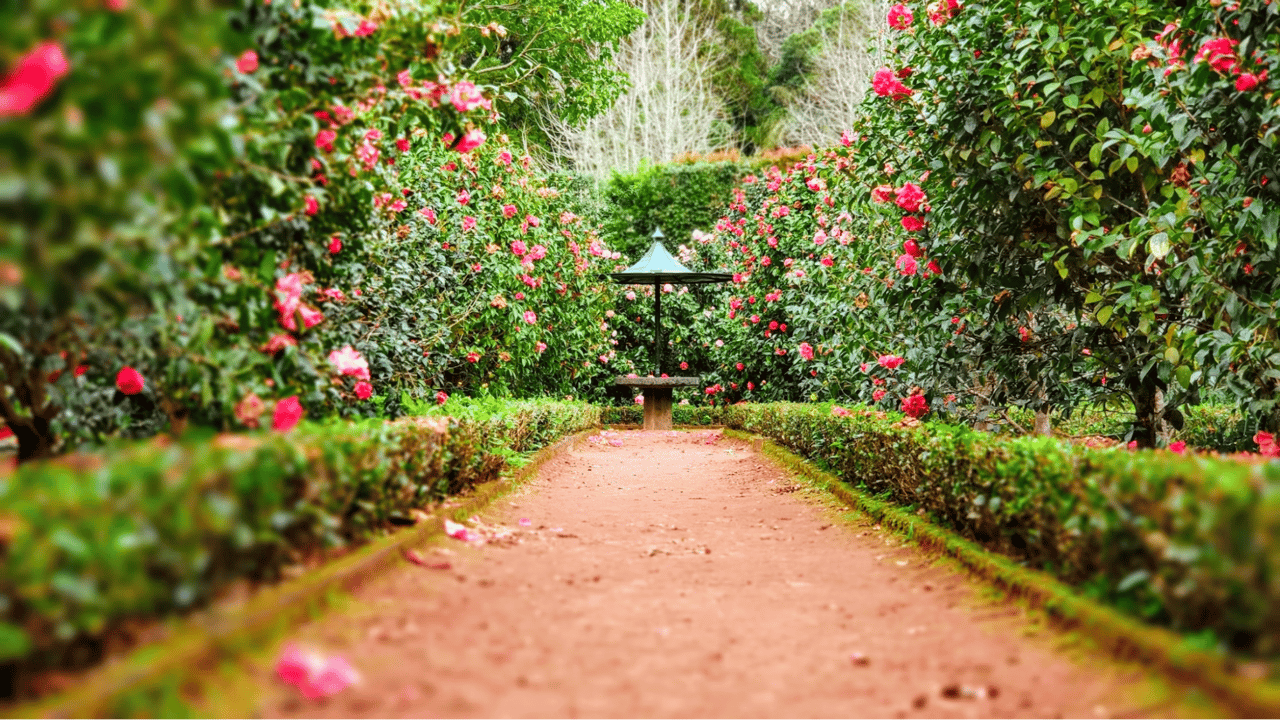
Buckhead sits in USDA hardiness zone 8a, with the city's red Piedmont clay holding water longer than the sandy or loamy soils buyers from other regions might expect. Plants that read as mature and settled in this climate include southern magnolias, willow oaks, dogwoods, and Japanese maples for structure, plus camellias and hydrangeas for the understory color that shows well in listing photos taken between March and June. Perennials like coneflower, black-eyed Susan, and Shasta daisy fill beds inexpensively and bloom on a schedule that lines up with peak spring listing season.
Clay soil is the detail most out-of-town sellers get wrong. Beds that pool water after a heavy rain need amending with compost or should be built up slightly rather than dug down, since a depression in Georgia clay just becomes a collection point for standing water and mosquitoes. A landscaper who has worked Buckhead's older neighborhoods for years will typically test drainage before recommending new plantings near a foundation.
The Trouble With Bradford Pears and Aging Boxwoods
Two plantings common in older Buckhead yards actively work against a listing rather than for it. Bradford pear trees, planted heavily across Atlanta subdivisions in the 1980s and 1990s, split apart in ice storms and high wind because of their narrow branch structure, and mature specimens near a driveway or roofline can read as a liability rather than an asset to a sharp-eyed buyer. Boxwood blight, a fungal disease that has spread through Georgia landscapes over the past decade, causes the defoliation and brown patches that show up in classic Buckhead foundation plantings; a hedge with bare lower branches and blackened stems won't photograph well no matter how well the lawn is kept.
Neither problem requires ripping everything out before listing. A certified arborist or landscaper can assess whether an aging Bradford pear needs to come down for safety reasons, and boxwoods showing early blight symptoms can sometimes be pruned and treated rather than replaced outright.
Atlanta's Updated Tree Ordinance and What It Means for Sellers
Atlanta's tree protection ordinance changed substantially for development plans submitted after January 1, 2026, and the update matters to anyone considering major yard work before a sale. The city raised its recompense fee for removing a protected tree from roughly $30 per diameter inch to $140 per diameter inch, so taking down a mature 24-inch oak that isn't dead, diseased, or hazardous can now trigger a fee well over $3,000 rather than a few hundred dollars. Minimum tree retention requirements also went up across residential zoning categories.
The exception sellers should know about: a tree certified by a qualified professional as dead, diseased, or hazardous can still come down without a recompense fee once the City Arborist reviews the documentation. That distinction matters when a seller is deciding whether a declining tree near the driveway is worth removing before photos, or whether selective pruning and cleanup will accomplish the same visual improvement at a fraction of the cost and paperwork.
Main Takeaway: Before removing any tree of meaningful size ahead of a Buckhead listing, get a professional opinion on its condition first. The 2026 ordinance makes an unnecessary removal an expensive mistake, while a properly documented hazardous tree can still come down at no added cost.
The Landscaping Upgrades That Actually Move Buckhead Offers
Not every yard project deserves equal budget or attention before a listing goes live. The upgrades below consistently show up in stronger first impressions and, according to data cited in the National Association of Realtors' Remodeling Impact Report, some of the strongest cost recovery of any pre-sale project category.
Project | Typical Cost | Cost Recovered at Sale |
|---|---|---|
Standard lawn care program | ~$415 | 217% |
Landscape maintenance (cleanup, pruning, mulch refresh) | ~$4,800 | 104% |
Full landscape upgrade | ~$9,000 | 100% |
Lawn Restoration Before Anything Else
Most Buckhead lawns run on tall fescue, which stays green through winter but thins out under Georgia's summer heat and humidity without regular aeration and overseeding. A lawn that's been neglected for a season typically needs core aeration, overseeding, and a consistent watering schedule for four to six weeks before it looks presentable on camera, which is why this step should start well before a listing date is set rather than the week before.
Mulch, Edging, and the Pine Straw Question
Fresh mulch and crisp bed edges are the fastest, least expensive way to make an entire yard look freshly maintained. Many established Buckhead subdivisions favor pine straw over dyed hardwood mulch for a more natural, wooded look that fits the neighborhood's tree canopy, so it's worth checking what neighbors are using before ordering a truckload of the wrong material. A clean edge cut between bed and lawn reads as intentional even in a yard that hasn't had major landscaping investment.
Entrances That Signal Pride of Ownership
A front entrance with symmetrical plantings, updated exterior lighting, and a clear sightline to the front door consistently outperforms a wilder, more casual approach in Buckhead's market. Seasonal color near the entrance, swapped from pansies in late winter to hydrangeas or begonias by early summer, keeps the first impression current no matter when the home hits the market.
Do Buckhead's HOAs Dictate What Sellers Can Change?
Several of Buckhead's established subdivisions, including swim and tennis communities around Chastain Park, maintain architectural review committees that require approval for exterior changes, sometimes including fencing, hardscape, and larger landscaping projects. Sellers planning anything beyond routine mulch and planting refreshes, such as a new retaining wall or a redesigned entry walkway, should check their covenants and submit for approval early, since review committees in these communities can take several weeks to respond. Tuxedo Park, one of Buckhead's oldest and most tightly regulated neighborhoods, layers in its own zoning overlay (SPI-25) governing lot dimensions and setbacks, a reminder that some of the most desirable streets in the area also carry the most specific rules about what can change on a property.
Timing the Work to Georgia's Growing Season
Landscaping timelines in Atlanta run on a different clock than lawn work in most of the country, and getting the sequence backward wastes both time and money before a listing. Fall, specifically September through mid-October, is the best window for aerating and overseeding fescue lawns and for planting trees and shrubs, since cooler soil temperatures let root systems establish before summer heat arrives. Spring listings benefit from color rotations planted six to eight weeks ahead of the first showing so annuals have time to fill in rather than looking freshly plugged into the ground.
Once a home is on the market, maintenance can't stop. Mowing, edging, and bed cleanup need to continue on a weekly rhythm through the listing period, since a single missed cutting before a weekend of showings can undo weeks of preparation. Sellers who plan to be out of town during their own listing period should arrange for a landscaper to keep the schedule rather than letting it lapse.
Is Landscaping Actually Worth the Investment Before Listing?
Yes, and the return tends to scale favorably compared to interior projects that cost far more for a similar bump in buyer interest. A well-executed curb appeal refresh costs a fraction of a kitchen renovation and shows up in every single showing, every listing photo, and every drive-by from a buyer deciding whether to even schedule an appointment. For sellers weighing which smart updates actually move the needle on offer price, landscaping consistently ranks among the highest-return, lowest-risk options available.
A yard that photographs well and holds up through weeks of showings also sets the stage for a stronger open house, since the first impression buyers form in the driveway carries into how they judge everything inside. Sellers curious how landscaping and other pre-listing work might shift a home's current value can start with a free home valuation rather than guessing at a number.
Landscaping and curb appeal aren't a guarantee of a higher sale price on their own, but in a market as visually driven as Buckhead's, neglecting them puts a home at a real disadvantage against comparable listings down the street. Chase's seller's guide covers the full pre-listing checklist beyond the yard, from timing to pricing strategy. Chase Mizell works with Buckhead sellers on exactly this kind of pre-listing planning, from timing lawn work to Georgia's growing season to knowing which HOA will need a heads-up before the crew shows up. Reach out to talk through what a home's exterior needs before it goes on the market.